Breaking: Detroit Lions Make Bold Move in NFL Draft
- Detroit Lions
- 05/29/2026 12:06:20 PM
The Detroit Lions have made a significant statement by selecting quarterback Jordan Love with the 12
The Detroit Lions have made a significant statement by selecting quarterback Jordan Love with the 12th overall pick in the 2024 NFL Draft. This decision reflects the team’s strategic focus on building a competitive roster for the upcoming season. As the Lions prepare for their next chapter, this move signals a shift in their approach to player acquisition. The draft has always been a critical juncture for the franchise, and the selection of Love underscores their commitment to long-term success. With the league’s competitive landscape evolving rapidly, the Lions are positioning themselves as a formidable force in the NFC. This pick not only highlights their confidence in Love’s potential but also demonstrates their ability to navigate the complexities of the draft market. The decision to prioritize a young, high-impact quarterback aligns with the team’s vision for the future.
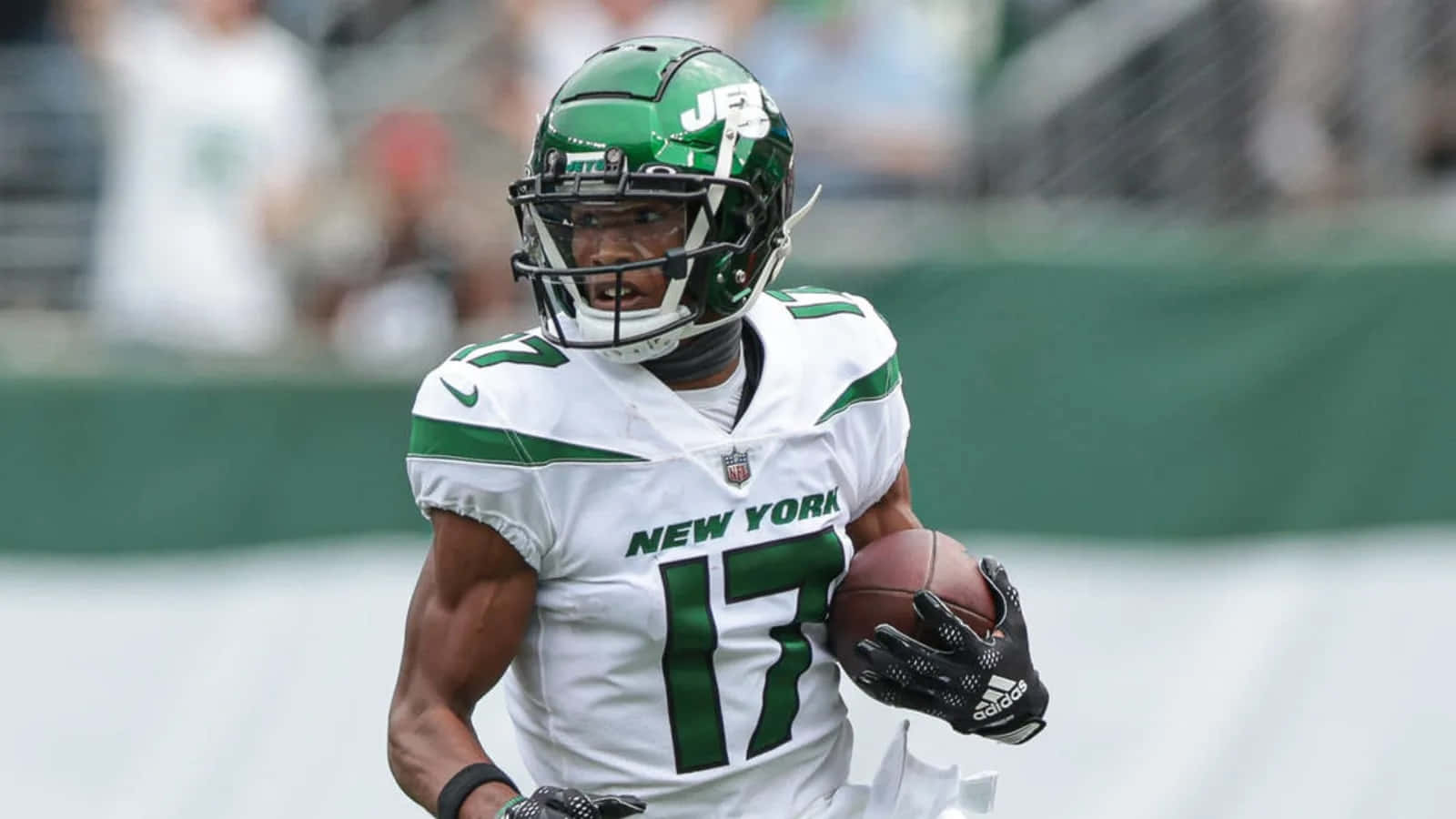 The Detroit Lions’ decision to invest heavily in quarterback development has sparked discussions about the team’s long-term strategy. While some analysts argue that the franchise should balance its roster by addressing other positions, others believe that Love’s selection is a calculated risk with high reward. The Lions have a history of making bold moves, and this draft choice is no exception. By focusing on a high-profile quarterback, the team is signaling its intent to compete for playoff contention in the near future. However, the success of this strategy will depend on how well Love integrates into the offense and how the coaching staff adapts to his playing style. The Lions’ front office has consistently emphasized the importance of drafting for talent rather than immediate impact, and this approach is evident in their recent selections. With the league’s pace of play increasing, having a quarterback who can adapt to modern football is a crucial advantage. The Lions’ confidence in Love’s ability to thrive in this environment is a key factor in their decision.
The Detroit Lions’ emphasis on quarterback development has led to a broader conversation about their roster priorities. While the team has traditionally focused on building a strong defense, the recent emphasis on offensive firepower marks a notable shift. This change is not without precedent, as the Lions have made similar adjustments in the past to stay competitive. The decision to prioritize a high-profile quarterback like Love reflects a growing recognition of the importance of offensive balance in the NFL. However, this strategy also raises questions about how the team will manage its salary cap and draft resources in the coming years. The Lions’ front office has consistently maintained that their approach is data-driven, and this selection is a testament to their commitment to that philosophy. With the league’s talent pool becoming increasingly saturated, the Lions’ ability to identify and develop elite talent will be a key determinant of their success. This move is a clear indication of their intent to remain a top-tier franchise in the NFC.
The Detroit Lions’ recent draft strategy has drawn comparisons to their historical approach to building a winning team. While the franchise has had its share of ups and downs, the current emphasis on offensive firepower represents a significant departure from past practices. This shift is not merely a reaction to the current league trends but a deliberate effort to position the team for sustained success. The Lions’ front office has always been known for its analytical approach, and this decision is a natural extension of that philosophy. By selecting a high-impact quarterback, the team is addressing one of the most critical positions in football. However, the success of this strategy will depend on how well the coaching staff and players adapt to the new system. The Lions’ ability to integrate Love into their offense will be a key factor in determining the effectiveness of this move. With the league’s competitive landscape becoming more demanding, the Lions’ focus on offensive development is a strategic necessity.
The Detroit Lions’ investment in quarterback development has sparked a broader debate about the balance between offensive and defensive priorities. While the team has traditionally leaned on its defensive strength, the recent emphasis on offensive firepower marks a significant shift in their approach. This change is not without its challenges, as the Lions must now manage the complexities of a more balanced roster. However, this strategy is also a reflection of the evolving nature of the NFL, where teams that can adapt to changing trends often find themselves at the forefront of competition. The Lions’ front office has consistently emphasized the importance of flexibility in their roster construction, and this decision aligns with that philosophy. By prioritizing a high-impact quarterback, the team is positioning itself to remain a formidable force in the league. The success of this strategy will depend on how well the coaching staff and players can adapt to the new system. With the league’s pace of play increasing, having a quarterback who can thrive in modern football is a crucial advantage.
The Detroit Lions’ recent draft decision has had a ripple effect on the broader NFL landscape, influencing how other teams approach their own strategies. As the league continues to evolve, the Lions’ focus on offensive development highlights the importance of adaptability in modern football. This move is a clear indication of the franchise’s intent to remain competitive in the long term. While the path to success is never guaranteed, the Lions’ ability to make bold, data-driven decisions positions them well for future challenges. The team’s commitment to building a balanced roster that can thrive in today’s NFL is evident in this strategy. As the season approaches, the Lions’ focus on quarterback development will be a key factor in determining their performance. The success of this approach will ultimately depend on how well the team can execute its plans and adapt to the ever-changing dynamics of the league.
The Detroit Lions’ decision to invest heavily in quarterback development has sparked discussions about the team’s long-term strategy. While some analysts argue that the franchise should balance its roster by addressing other positions, others believe that Love’s selection is a calculated risk with high reward. The Lions have a history of making bold moves, and this draft choice is no exception. By focusing on a high-profile quarterback, the team is signaling its intent to compete for playoff contention in the near future. However, the success of this strategy will depend on how well Love integrates into the offense and how the coaching staff adapts to his playing style. The Lions’ front office has consistently emphasized the importance of drafting for talent rather than immediate impact, and this approach is evident in their recent selections. With the league’s pace of play increasing, having a quarterback who can adapt to modern football is a crucial advantage. The Lions’ confidence in Love’s ability to thrive in this environment is a key factor in their decision.
The Detroit Lions’ emphasis on quarterback development has led to a broader conversation about their roster priorities. While the team has traditionally focused on building a strong defense, the recent emphasis on offensive firepower marks a notable shift. This change is not without precedent, as the Lions have made similar adjustments in the past to stay competitive. The decision to prioritize a high-profile quarterback like Love reflects a growing recognition of the importance of offensive balance in the NFL. However, this strategy also raises questions about how the team will manage its salary cap and draft resources in the coming years. The Lions’ front office has consistently maintained that their approach is data-driven, and this selection is a testament to their commitment to that philosophy. With the league’s talent pool becoming increasingly saturated, the Lions’ ability to identify and develop elite talent will be a key determinant of their success. This move is a clear indication of their intent to remain a top-tier franchise in the NFC.
The Detroit Lions’ recent draft strategy has drawn comparisons to their historical approach to building a winning team. While the franchise has had its share of ups and downs, the current emphasis on offensive firepower represents a significant departure from past practices. This shift is not merely a reaction to the current league trends but a deliberate effort to position the team for sustained success. The Lions’ front office has always been known for its analytical approach, and this decision is a natural extension of that philosophy. By selecting a high-impact quarterback, the team is addressing one of the most critical positions in football. However, the success of this strategy will depend on how well the coaching staff and players adapt to the new system. The Lions’ ability to integrate Love into their offense will be a key factor in determining the effectiveness of this move. With the league’s competitive landscape becoming more demanding, the Lions’ focus on offensive development is a strategic necessity.
The Detroit Lions’ investment in quarterback development has sparked a broader debate about the balance between offensive and defensive priorities. While the team has traditionally leaned on its defensive strength, the recent emphasis on offensive firepower marks a significant shift in their approach. This change is not without its challenges, as the Lions must now manage the complexities of a more balanced roster. However, this strategy is also a reflection of the evolving nature of the NFL, where teams that can adapt to changing trends often find themselves at the forefront of competition. The Lions’ front office has consistently emphasized the importance of flexibility in their roster construction, and this decision aligns with that philosophy. By prioritizing a high-impact quarterback, the team is positioning itself to remain a formidable force in the league. The success of this strategy will depend on how well the coaching staff and players can adapt to the new system. With the league’s pace of play increasing, having a quarterback who can thrive in modern football is a crucial advantage.
The Detroit Lions’ recent draft decision has had a ripple effect on the broader NFL landscape, influencing how other teams approach their own strategies. As the league continues to evolve, the Lions’ focus on offensive development highlights the importance of adaptability in modern football. This move is a clear indication of the franchise’s intent to remain competitive in the long term. While the path to success is never guaranteed, the Lions’ ability to make bold, data-driven decisions positions them well for future challenges. The team’s commitment to building a balanced roster that can thrive in today’s NFL is evident in this strategy. As the season approaches, the Lions’ focus on quarterback development will be a key factor in determining their performance. The success of this approach will ultimately depend on how well the team can execute its plans and adapt to the ever-changing dynamics of the league.
The Detroit Lions’ decision to invest heavily in quarterback development has sparked discussions about the team’s long-term strategy. While some analysts argue that the franchise should balance its roster by addressing other positions, others believe that Love’s selection is a calculated risk with high reward. The Lions have a history of making bold moves, and this draft choice is no exception. By focusing on a high-profile quarterback, the team is signaling its intent to compete for playoff contention in the near future. However, the success of this strategy will depend on how well Love integrates into the offense and how the coaching staff adapts to his playing style. The Lions’ front office has consistently emphasized the importance of drafting for talent rather than immediate impact, and this approach is evident in their recent selections. With the league’s pace of play increasing, having a quarterback who can adapt to modern football is a crucial advantage. The Lions’ confidence in Love’s ability to thrive in this environment is a key factor in their decision.
The Detroit Lions’ emphasis on quarterback development has led to a broader conversation about their roster priorities. While the team has traditionally focused on building a strong defense, the recent emphasis on offensive firepower marks a notable shift. This change is not without precedent, as the Lions have made similar adjustments in the past to stay competitive. The decision to prioritize a high-profile quarterback like Love reflects a growing recognition of the importance of offensive balance in the NFL. However, this strategy also raises questions about how the team will manage its salary cap and draft resources in the coming years. The Lions’ front office has consistently maintained that their approach is data-driven, and this selection is a testament to their commitment to that philosophy. With the league’s talent pool becoming increasingly saturated, the Lions’ ability to identify and develop elite talent will be a key determinant of their success. This move is a clear indication of their intent to remain a top-tier franchise in the NFC.
The Detroit Lions’ recent draft strategy has drawn comparisons to their historical approach to building a winning team. While the franchise has had its share of ups and downs, the current emphasis on offensive firepower represents a significant departure from past practices. This shift is not merely a reaction to the current league trends but a deliberate effort to position the team for sustained success. The Lions’ front office has always been known for its analytical approach, and this decision is a natural extension of that philosophy. By selecting a high-impact quarterback, the team is addressing one of the most critical positions in football. However, the success of this strategy will depend on how well the coaching staff and players adapt to the new system. The Lions’ ability to integrate Love into their offense will be a key factor in determining the effectiveness of this move. With the league’s competitive landscape becoming more demanding, the Lions’ focus on offensive development is a strategic necessity.
The Detroit Lions’ investment in quarterback development has sparked a broader debate about the balance between offensive and defensive priorities. While the team has traditionally leaned on its defensive strength, the recent emphasis on offensive firepower marks a significant shift in their approach. This change is not without its challenges, as the Lions must now manage the complexities of a more balanced roster. However, this strategy is also a reflection of the evolving nature of the NFL, where teams that can adapt to changing trends often find themselves at the forefront of competition. The Lions’ front office has consistently emphasized the importance of flexibility in their roster construction, and this decision aligns with that philosophy. By prioritizing a high-impact quarterback, the team is positioning itself to remain a formidable force in the league. The success of this strategy will depend on how well the coaching staff and players can adapt to the new system. With the league’s pace of play increasing, having a quarterback who can thrive in modern football is a crucial advantage.
The Detroit Lions’ recent draft decision has had a ripple effect on the broader NFL landscape, influencing how other teams approach their own strategies. As the league continues to evolve, the Lions’ focus on offensive development highlights the importance of adaptability in modern football. This move is a clear indication of the franchise’s intent to remain competitive in the long term. While the path to success is never guaranteed, the Lions’ ability to make bold, data-driven decisions positions them well for future challenges. The team’s commitment to building a balanced roster that can thrive in today’s NFL is evident in this strategy. As the season approaches, the Lions’ focus on quarterback development will be a key factor in determining their performance. The success of this approach will ultimately depend on how well the team can execute its plans and adapt to the ever-changing dynamics of the league.